What Is the Corporate Sustainability Due Diligence Directive?

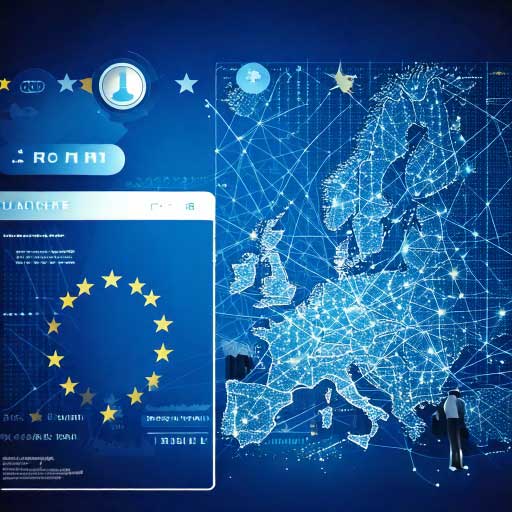
The Corporate Sustainability Due Diligence Directive (CSDDD) is a major piece of European Union legislation designed to ensure that companies actively manage and address sustainability risks within their operations and supply chains. It sets out requirements for companies to identify, prevent, mitigate, and account for any adverse human rights or environmental impacts related to their business activities. As a cornerstone of the EU's Green Deal, it aims to ensure that businesses operating within its jurisdiction integrate sustainability into their core operations. The directive compels companies to conduct comprehensive due diligence throughout their value chains, identifying and mitigating risks associated with environmental and social impacts. By focusing on areas such as human rights, labor conditions, deforestation, and carbon emissions, the EU aims to create a business environment that aligns with its sustainability goals. Unlike previous voluntary frameworks, the CSDDD imposes a legal obligation with potential for enforcement and penalties for non-compliance. The CSDDD requires companies to assess their own environmental and social impact and take measures to reduce any negative effects. This means that businesses will need to conduct due diligence on their supply chains to identify potential risks and ensure that their products and services are produced in a sustainable and responsible manner. The directive also requires companies to establish grievance mechanisms to address complaints and concerns raised by stakeholders, including workers, consumers, and communities impacted by their operations. Additionally, companies must publish reports detailing their environmental and social impact, as well as the measures they have taken to address any negative effects, helping to promote transparency and accountability.

TRUSTED BY FORTUNE 500 COMPANIES

Who Is Covered and What Are the Key Requirements?

The directive targets large EU and non-EU companies based on employee count and turnover thresholds, with cascading effects on smaller suppliers.

The proposed directive is expected to cover approximately 6,000 EU-based companies and 1,000 non-EU-based companies. EU companies with more than 500 employees on average and more than €150 million in net worldwide turnover are covered, as well as other EU companies with more than 250 employees and more than €40 million in net worldwide turnover that are active in certain high-risk sectors. For non-EU companies, only the turnover generated in the EU counts towards meeting thresholds. Small and medium-sized businesses may be indirectly affected if they are part of a company's supply chain that falls within the scope of the proposal. Companies will need to integrate due diligence into their overall business policies and strategies to ensure that they consider the impact of their operations on human rights, the environment, and good governance. Directors of EU companies have been tasked with creating and maintaining a framework for due diligence that considers the views of stakeholders and community advocates. A key part of this duty is to ensure decisions made in good faith also consider short-term, mid-range, and long-term effects on human rights issues, climate change initiatives, and environmental sustainability — an obligation known as the duty of care. Directors are then required to report back to their board regarding progress towards these goals. The CSDDD follows the six-step due diligence process defined by the OECD's Guidance for Responsible Business Conduct. This includes integrating due diligence into policies and management systems, identifying and assessing adverse impacts, preventing or minimizing potential harms, remediating actual harms, engaging meaningfully with stakeholders, and monitoring the effectiveness of measures taken. Supply chain mapping will no longer be a luxury but standard operating procedure for in-scope businesses.

Penalties, Liability, and Enforcement


Non-compliant companies face financial penalties, civil liability, and significant reputational risk under the directive's enforcement framework.

The penalties for non-compliance with the CSDDD have not yet been fully finalized, as the directive continues to be reviewed. However, it is clear that companies that fail to comply will face serious consequences. Sanctions may include public exposure and fines amounting to as much as 5% of a company's net worldwide turnover. In cases where fines are not paid, the preliminary agreement includes provisions for legal action to enforce payment. The proposed directive also includes important provisions for liability and access to justice for victims of harm caused by business activities. Companies that cause harm may be held liable for damages, and victims — including those represented by labor unions and non-governmental organizations — may have access to legal remedies and compensation, with a five-year window to file claims. These civil liability measures will supplement, not replace, existing national legal frameworks. Beyond direct financial penalties, companies that fail to comply may also face reputational risks that could lead to a loss of customers and investors. It is therefore in the best interests of businesses to take proactive steps to ensure compliance with the directive and implement sustainable and responsible business practices well in advance of the enforcement deadlines.

Trade Impacts and the Global Ripple Effect

The CSDDD's reach extends far beyond the EU, reshaping global supply chains, trade relationships, and inspiring a worldwide shift toward responsible business.

The EU Corporate Sustainability Due Diligence Directive is a transformative step toward a more sustainable and responsible business landscape. As companies adapt their operations to comply with its mandates, trade dynamics within Europe are poised to undergo significant changes. Trade will be directed away from countries where CSDDD standards are not practiced, and multinational companies seeking to operate within the EU market will need to align their global supply chains with the directive's requirements. The directive will usher in a new era of supply chain transparency, compelling companies to disclose their efforts in addressing sustainability issues. This increased transparency aims to foster consumer trust, influence purchasing decisions, and redefine market dynamics. Businesses that prioritize sustainability will gain a competitive edge, attracting conscious consumers, investors, and partners, potentially altering market share dynamics. Furthermore, the directive's influence is expected to ripple across international borders, spurring a global movement toward sustainability and human rights-driven trade practices. The EU's proactive stance on corporate sustainability could inspire other countries to adopt similar measures. By integrating environmental and social considerations into the heart of business operations, the EU is not only safeguarding its own future but also inspiring a global transition toward more ethical and responsible commerce.

Download FRDM Explainer

Get access to the
latest supply chain resources

*not sales material disguised as 'resources.'

Thank you! Your submission has been received!
Oops! Something went wrong while submitting the form. Please try again.

See FRDM In Action

Discover how FRDM gives your team real-time visibility into supply chain risk — so you can act before issues become liabilities.