A Decade of the Modern Slavery Act: Why the Home Office Stepped In

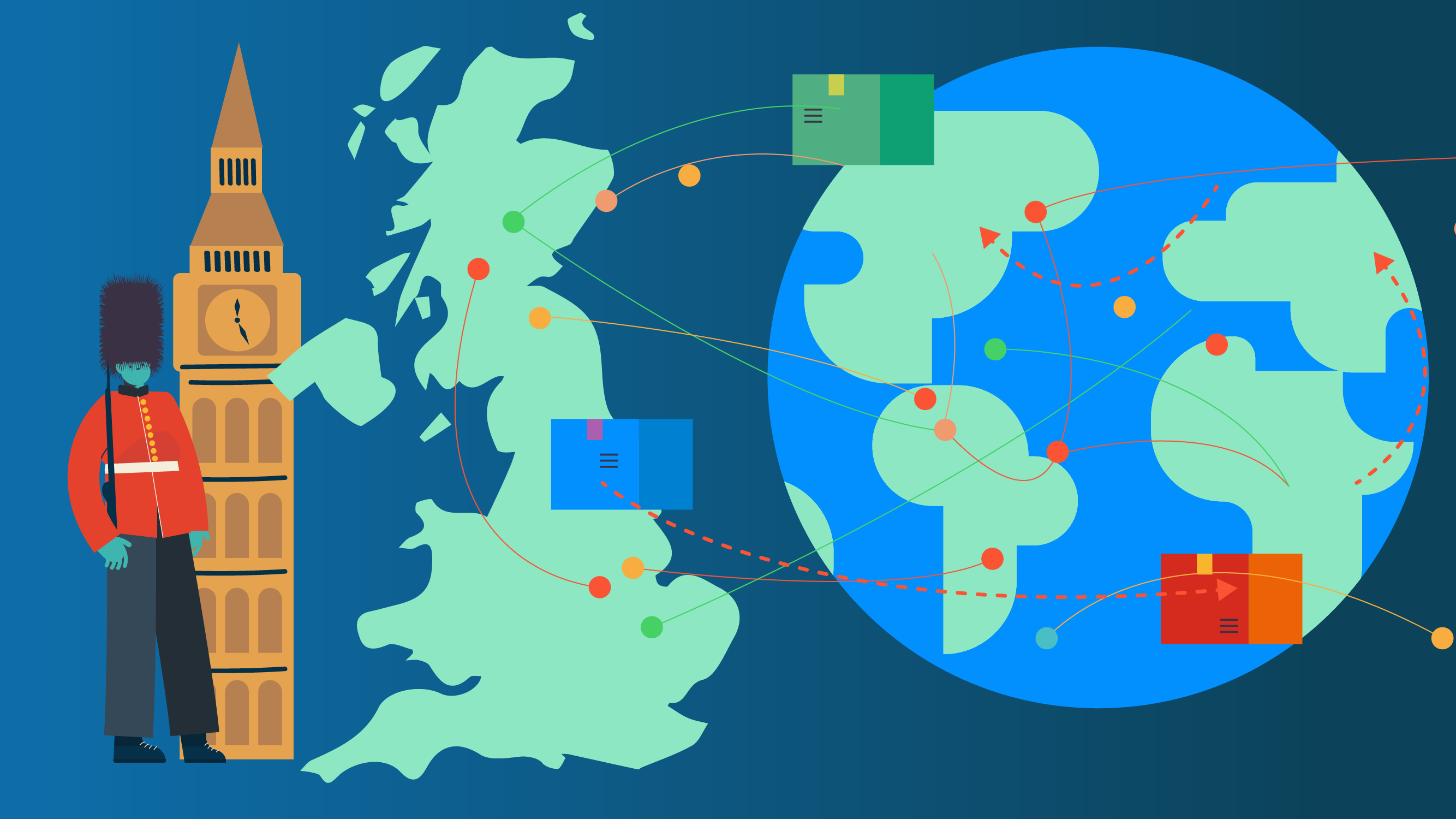
The UK Modern Slavery Act 2015 was hailed as a world-leading piece of legislation when it was introduced under then-Home Secretary Theresa May. Its Transparency in Supply Chains (TISC) provision under Section 54 was among the first laws globally to require large businesses to report on steps taken to address modern slavery in their operations and supply chains. For a decade, it set the tone for corporate accountability efforts around the world. However, the years since its introduction exposed critical shortcomings. Poor monitoring and enforcement of compliance requirements resulted in wide inconsistency in the quality and effectiveness of modern slavery statements. Civil society organizations and Parliamentary committees grew increasingly vocal that the UK's regime was falling behind newer, more stringent legislation emerging in the EU and elsewhere. The House of Lords Select Committee on Modern Slavery, in its October 2024 report titled 'The Modern Slavery Act 2015: becoming world-leading again,' made a series of recommendations urging the government to raise its expectations. In direct response, on approximately 25 March 2025 — almost exactly ten years after the Act was introduced — the UK Home Office published updated statutory guidance titled 'Transparency in Supply Chains: A Practical Guide.' This was described as the most significant refresh of the guidance since it was originally issued, and it was developed in consultation with businesses, public bodies, civil society organizations, trade unions, and academics. The intent was clear: explain how businesses must comply not just with the letter, but the spirit, of Section 54.

TRUSTED BY FORTUNE 500 COMPANIES

What the Updated Guidance Requires: Deeper Disclosure and Two-Tier Reporting

The new guidance introduces a Level 1 and Level 2 disclosure framework, raising expectations for supply chain mapping, risk registers, due diligence, and continuous improvement.

One of the most notable structural changes in the updated guidance is the introduction of a tiered disclosure framework. Statements are now classified as either Level 1 or Level 2, with Level 2 representing more detailed disclosures that reflect greater organizational maturity in managing modern slavery. This tiered approach is designed to push businesses toward progressively deeper accountability rather than allowing minimum-standard box-checking. On organizational structure, businesses are now encouraged to provide detailed maps of how goods and services are sourced, produced, and distributed, including information on specific suppliers, sub-contractors, long-term partnerships, and spot purchases. This extends to identifying worker recruitment channels, mapping source and transit countries, and disclosing the use of labour brokers and other intermediaries. For risk assessment, companies are advised to conduct regular, systematic assessments and disclose a complete list of risks in their modern slavery risk registers, which should be regularly reviewed at the Board level. The guidance places strong emphasis on due diligence aligned with internationally recognized frameworks, particularly the OECD Guidelines for Multinational Enterprises on Responsible Business Conduct and the UN Guiding Principles on Business and Human Rights. Organizations are expected to identify both actual and potential risks, and to take steps to cease, prevent, and mitigate those risks. Recommended actions include improving purchasing and recruitment practices, engaging with suppliers and workers, participating in industry initiatives, and implementing grievance and reporting mechanisms for potential victims. Companies are also expected to disclose incidents of modern slavery identified in their supply chains, describe the remediation steps taken, and set year-on-year improvement goals backed by outcome-focused key performance indicators. The guidance makes clear that supplier audits are a powerful tool, and that organizations with government or public sector contracts face particular pressure to align with the updated guidance, as misalignment may lead to loss of those contracts.

The Broader Regulatory Landscape: UK Compliance in a Global Context


As the EU moves toward mandatory human rights due diligence and the US enforces import bans, UK businesses face mounting cross-border compliance pressure.

The updated guidance does not change the core legal requirements of the Modern Slavery Act — compliance with the guidance itself remains non-mandatory, and Section 54's fundamental reporting obligations are unchanged. However, the guidance signals the direction of travel. The UK government has confirmed it will set out next steps for a wider review of legislative and non-legislative measures to tackle forced labour and increase transparency in global supply chains, indicating that stricter requirements may follow. Meanwhile, global regulatory pressure is intensifying. The EU has enacted the Corporate Sustainability Due Diligence Directive and Corporate Sustainability Reporting Directive, which place binding obligations on organizations to actively assess and address human rights risks — going well beyond voluntary reporting. The United States has the Uyghur Forced Labor Prevention Act, which restricts the import of goods made with forced labour. Critics have warned that without stronger enforcement, the UK risks being left behind and becoming a dumping ground for goods produced under exploitative conditions. For businesses operating internationally, this convergence of regulatory frameworks means that modern slavery compliance can no longer be treated as a standalone reporting exercise. Managing supply chain risk has become a board-level strategic priority. Organizations that align with the updated UK Home Office guidance — and prepare their disclosures for 2026 accordingly — will be better positioned to meet the growing expectations of regulators, investors, customers, and civil society across multiple jurisdictions.

What Businesses Must Do Now: Building Continuous Risk Monitoring Into Compliance

Preparing for 2026 reporting requires supply chain mapping, ongoing due diligence, and technology-enabled monitoring — not just annual statement drafting.

The updated Home Office guidance makes one thing clear: producing a modern slavery statement can no longer be an annual exercise conducted in isolation from real supply chain operations. The guidance explicitly encourages continuous improvement, ongoing stakeholder engagement, and the use of dynamic risk monitoring systems. Businesses should treat their modern slavery compliance program as a living process, not a periodic reporting task. Practically, this means companies should immediately familiarize themselves with the updated guidance and assess their current policies, practices, and processes against both Level 1 and Level 2 expectations. Supply chain mapping should be extended beyond Tier 1 suppliers to capture sub-contractors, commodities, and labour recruitment channels. Risk registers should be formalized, reviewed regularly at the Board level, and disclosed in annual statements along with the specific steps taken to address identified risks. Technology plays an increasingly important role in meeting these expectations. AI-powered supply chain mapping tools and dynamic risk monitoring platforms allow companies to move beyond static audits and toward continuous visibility into supplier risk across global operations. Grievance mechanisms should be built and tested so that workers throughout the supply chain can report concerns safely and transparently. For organizations with government contracts in particular, alignment with the updated guidance is not merely recommended — it has direct commercial consequences. Companies that invest now in deeper supply chain transparency and robust compliance infrastructure will be well placed when enforcement tightens and the next wave of legislation arrives.

Download FRDM Explainer

Get access to the
latest supply chain resources

*not sales material disguised as 'resources.'

Thank you! Your submission has been received!
Oops! Something went wrong while submitting the form. Please try again.

See FRDM In Action

Discover how FRDM gives your team real-time visibility into supply chain risk — so you can act before issues become liabilities.